
At NS Utility Consultants we'll take away the stress and pain of dealing with utility companies, by offering a one stop shop for all your utility needs
From upfront site feasibilities to assist a land bid, through to arranging the final meter fit, we can help
With over 25 years of experience in the utilities sector, no matter how big or small your project we can add value. Take advantage of our wealth of knowledge and industry contacts to make your next project run smoother. Utilities are often overlooked or timelines underestimated when creating a project plan. Engage with us to identify any site constraints and to procure any diversions that may be critical to your site enabling works.
With no ties to any utilities contractors we can offer a truly independent service. Once your site has been assessed we will manage the tender process, making sure any quotations provided match your specific requirements, putting your needs first at every step.
Our Services
Discover our range of services below

Land Appraisals
We can add real value to your land bid with our land appraisals. We'll not only check what utilities are running through the site but also around the boundary to ensure any S278 works are covered. We'll then provide a detailed report
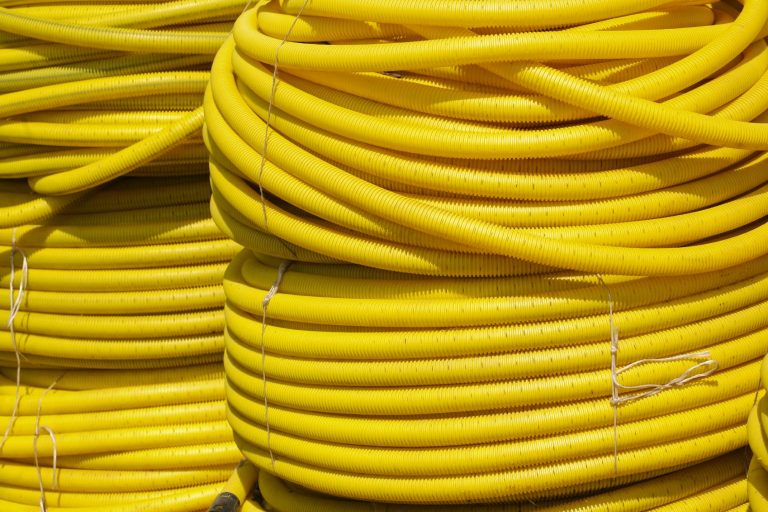
Diversions
Once we have identified what assets need to be diverted we'll obtain the relevant quotations, we can then work with you to ensure they are diverted to fit with your programme

Disconnections
If there are any existing buildings that are to be demolished, we can procure quotations and manage the disconnection process. In some cases it is more cost efficient to cut back services to be re-used as temporary supplies
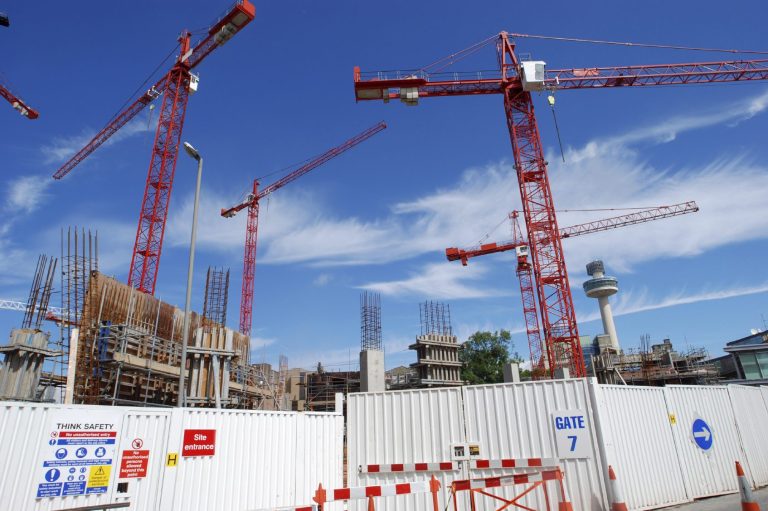
New Connections
From one off self builds, high rise apartments to large mixed use multi phase consortium sites, we can help with all aspects of your infrastructure needs
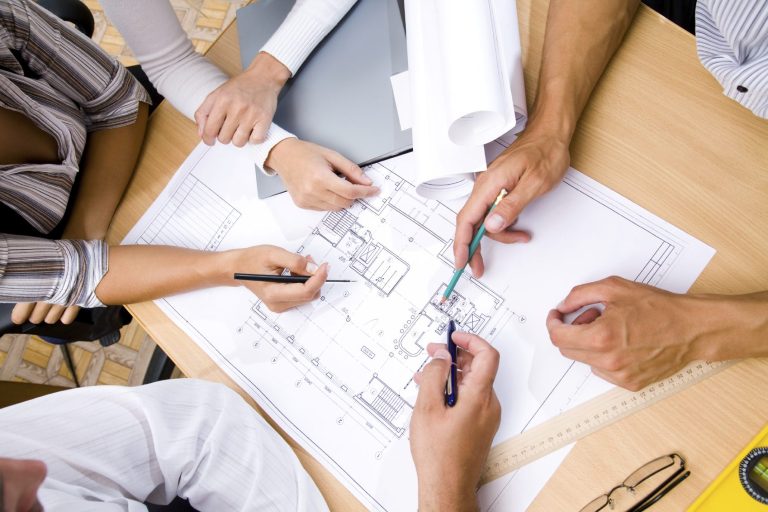
Project Management
Make use of our one stop shop, once quotations have been provided we can offer a project management service to manage any siteworks. You'll only need one number

To discuss how we can help you, contact us now

© Copyright. All rights reserved.